Storage for Cleaning Supplies and Frozen Goods: A Saudi Warehousing Playbook
Every business that handles physical products faces the same quiet question: where do we keep this safely? For facilities managers, distributors, and food operators across Saudi Arabia, the answer often splits into two very different worlds. On one side sits specialized storage for cleaning supplies, where chemicals demand careful separation and ventilation. On the other sits frozen warehousing, where a single temperature slip can ruin an entire pallet. This 2026 playbook explains how to handle both well.
Getting storage right is not just about tidiness. It protects staff, keeps products compliant, and prevents costly losses. As the Kingdom’s retail, hospitality, and food sectors expand under Vision 2030, the pressure to store goods correctly has never been higher. Let us break down what each category needs.
Why Storage for Cleaning Supplies Deserves Special Attention
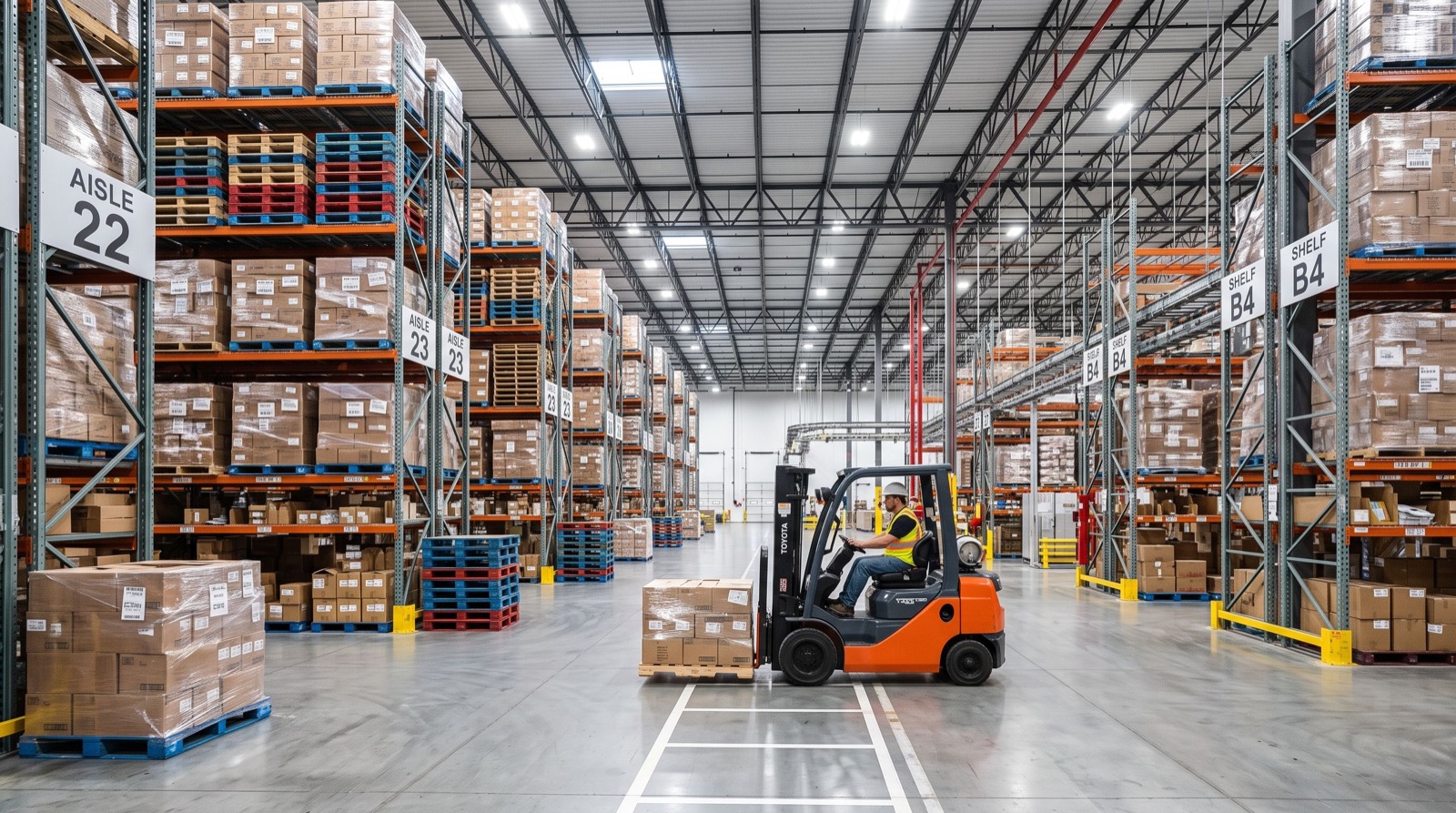
Cleaning products may seem ordinary, but many contain reactive chemicals. Bleach, ammonia, solvents, and acids can release harmful fumes or react dangerously if stored together. Proper Storage for Cleaning Supplies keeps incompatible substances apart, controls temperature, and ensures spill containment is always within reach.
A well-organized chemical store follows a few non-negotiable rules. Products stay in labeled, sealed containers. Ventilation removes vapor buildup. Shelving is chemical-resistant, and heavy or hazardous items sit low to reduce the risk of falls. These measures protect workers and satisfy the safety inspectors who increasingly audit commercial facilities.
What Are the Golden Rules for Chemical Storage?
Whether you run a hotel, hospital, or facilities company, the fundamentals stay the same. Keep the space cool and dry, restrict access, and never store cleaning chemicals near food or open flames.
- Separate oxidizers, acids, and flammables into distinct zones
- Maintain clear aisles and labeled shelving for fast retrieval
- Provide spill kits, eyewash stations, and proper signage
- Keep material safety data sheets accessible to all staff
- Rotate stock so older products are used first
These habits reduce accidents and extend product life. They also demonstrate diligence, which matters when an insurer or regulator reviews your operation.
Frozen Storage: Where Precision Protects Profit
Switching from chemicals to cold chains, the stakes shift from safety to spoilage. Frozen Storage keeps perishable goods at temperatures low enough to halt bacterial growth, typically around minus 18 degrees Celsius or colder. For meat, seafood, ice cream, and frozen ready meals, that consistency is everything.
Saudi Arabia’s harsh climate makes reliable freezing infrastructure essential. A break in the cold chain, even for a short window during transfer, can compromise food safety. The Food and Agriculture Organization stresses that maintaining unbroken temperature control is central to reducing food loss, a challenge that resonates strongly in hot climates.
How Cold Does Frozen Storage Need to Be?
Most frozen goods require minus 18 degrees Celsius, but some products, such as certain fish and specialty items, need deep-freeze conditions closer to minus 25 degrees. Reputable facilities monitor temperature continuously and log data so you can prove compliance to buyers and auditors.
| Storage Type | Typical Temperature | Common Products |
|---|---|---|
| Chemical / cleaning | Cool, ventilated ambient | Detergents, solvents, disinfectants |
| Standard frozen | -18°C | Meat, poultry, frozen meals |
| Deep freeze | -25°C and below | Seafood, ice cream, specialty goods |
Building a Reliable Storage Partnership
Whether the challenge is hazardous chemicals or delicate frozen stock, the provider you choose defines your risk. The best facilities combine trained staff, monitored environments, and transparent reporting. Partnering with trusted professionals reduces the chance of costly surprises and frees your team to focus on selling rather than firefighting.
When evaluating a warehouse, follow a structured process rather than a gut feeling. A short, disciplined review reveals whether a facility can truly protect your goods.
- Tour the site and inspect temperature logs and ventilation systems.
- Ask how they separate incompatible chemicals and monitor freezers.
- Confirm backup power for cold rooms during outages.
- Review their spoilage, accuracy, and incident records.
- Check contract flexibility for seasonal volume changes.
Practical Tips to Cut Losses in 2026
Small operational habits deliver big savings. For cleaning supplies, adopt a first-in, first-out system so products never expire on the shelf. For frozen goods, minimize door-open time and use insulated curtains to hold temperature during picking. Both practices are cheap to implement yet consistently reduce waste.
Here is a concrete tip worth adopting immediately: install independent temperature alarms that alert your phone the moment a freezer drifts out of range. Many spoilage events happen overnight or on weekends when no one is watching. A simple alert can save thousands in lost product and protect your reputation with customers who count on quality.
Energy efficiency also matters as costs climb. Well-sealed cold rooms, regular defrost cycles, and clean condenser coils keep freezers running economically. For chemical stores, passive ventilation and shaded placement lower the need for active cooling. These upgrades pay for themselves within a season or two.
Frequently Asked Questions
Can cleaning supplies and food be stored in the same warehouse?
They can share a building only if kept in completely separate, sealed zones with no risk of cross-contamination. Chemicals should never sit near food, and many operators prefer dedicated areas or facilities to eliminate the risk entirely.
What happens if frozen storage loses power?
Quality facilities have backup generators that keep freezers running during outages. Well-insulated cold rooms also hold temperature for hours if doors stay closed. Always confirm a provider’s contingency plan before storing perishable stock.
How do I know if a chemical store is compliant?
Look for clear segregation of incompatible products, accessible safety data sheets, spill containment, proper labeling, and trained staff. Compliant facilities welcome inspections and can show documented safety procedures on request.
Is deep-freeze storage more expensive than standard frozen?
Yes, because reaching and holding lower temperatures uses more energy. Only choose deep freeze for products that genuinely require it, such as certain seafood, to avoid paying for cooling you do not need.
Conclusion: Store Smart, Sell Confidently
From hazardous chemicals to delicate frozen goods, storage is where quiet risks either get managed or turn into expensive problems. Investing in proper storage for cleaning supplies and dependable frozen warehousing protects your people, your products, and your bottom line. As Saudi Arabia’s markets keep growing through 2026, businesses that treat storage as a strategy rather than an afterthought will win on both safety and cost. Review your current setup, close the gaps, and partner with specialists who take protection as seriously as you do.