HME Drive Thru in Saudi Arabia: 2026 QSR Guide
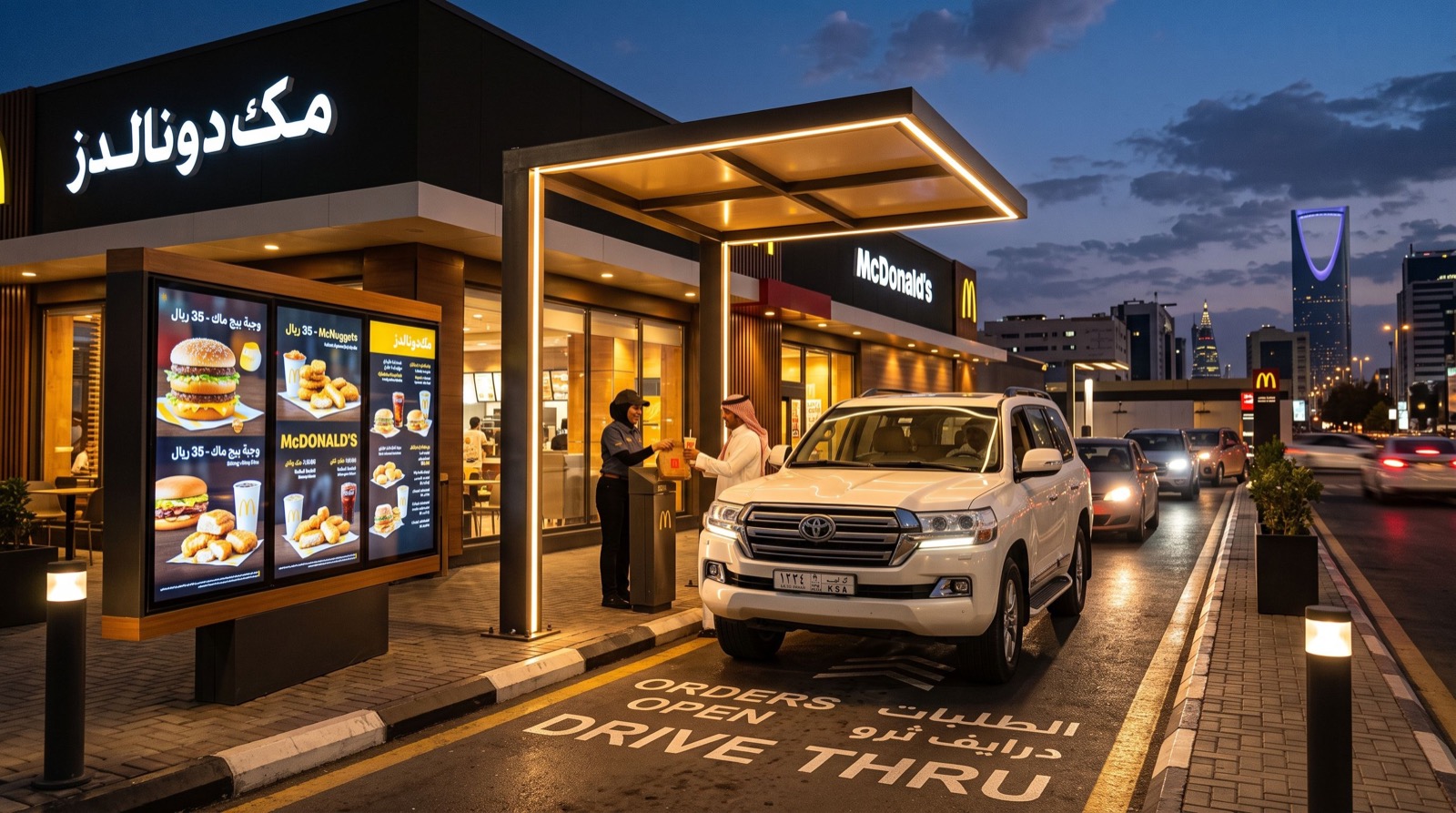
The drive-thru lane is where many Saudi restaurants win or lose their busiest customers. A reliable HME drive thru in Saudi Arabia setup keeps orders accurate, conversations crisp, and cars moving even during the Friday evening rush. This 2026 guide breaks down the technology, the numbers, and the practical steps that turn a slow lane into a profit engine.
Quick-service restaurants in the Kingdom are growing fast, and drive-thru traffic is climbing with them. Getting the audio, timing, and order flow right is now a core part of running a competitive food brand.
What is an HME drive thru system?
An HME drive thru system is the communication and timing backbone of a modern drive-thru lane. It links the customer at the speaker post with the crew inside through clear digital audio, while measuring how long each car spends at every stage.
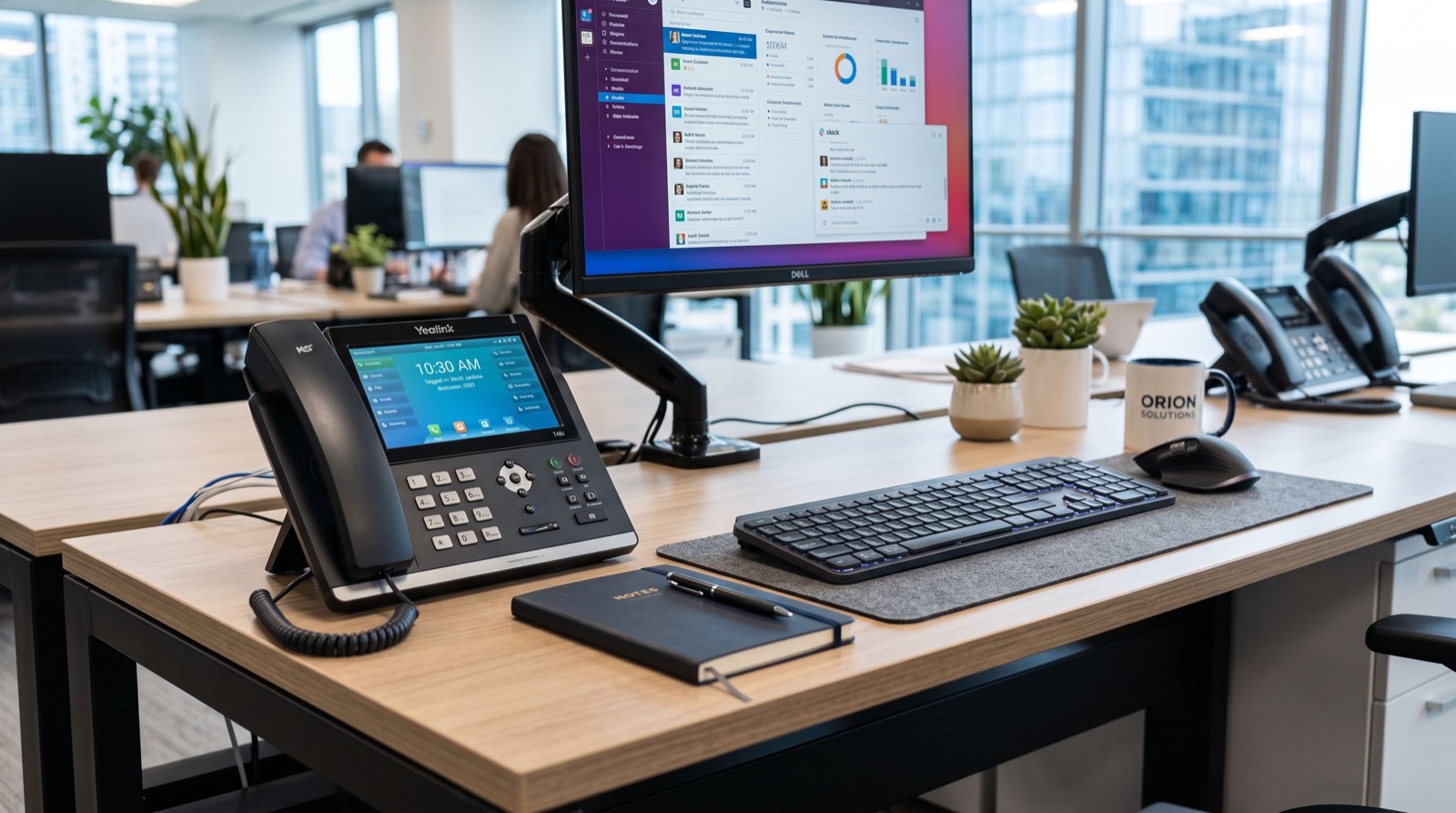
The headset lets staff take orders hands-free, the base station manages the audio, and the timer software shows managers exactly where delays build up. Together they create a lane that is fast, accurate, and easy to supervise.
- Wireless headsets: crew hear and respond clearly without being tied to a post.
- Speaker post and microphone: noise-cancelling audio for both sides of the conversation.
- Base station: routes calls, music, and alerts to the right staff member.
- Timing display: live car-by-car metrics so managers spot slowdowns instantly.
Why does drive-thru speed matter in 2026?
Every extra second in the lane multiplies across hundreds of daily cars. Shaving even ten seconds off the average order time can add a meaningful number of extra sales during a single peak period.
Saudi consumers increasingly value convenience, and the food-service sector is expanding to meet it. Data from the Saudi General Authority for Statistics shows a growing, young, and highly mobile population, which keeps drive-thru demand strong across the Kingdom’s major cities.
Speed also protects accuracy. A clear audio link means fewer misheard orders, fewer remakes, and fewer frustrated customers driving away with the wrong meal.
How does better audio improve order accuracy?
What causes most drive-thru order errors?
Most errors trace back to poor sound. Wind, engine noise, and tinny speakers force crew to guess, and guesses create mistakes. Noise-cancelling microphones and crisp headsets remove that ambiguity, so what the customer says is what the kitchen hears.
Clear audio also speeds up upselling. When a crew member can confidently suggest a drink or dessert and hear the reply first time, average order value rises without slowing the lane.
Drive-thru performance targets
Benchmarks help you judge whether your lane is competitive. The table below shows realistic 2026 targets that leading Saudi QSR operators aim for during peak trading.
| Metric | Needs work | Good | Best in class |
|---|---|---|---|
| Total lane time | Over 4 min | 3 – 4 min | Under 3 min |
| Order accuracy | Below 90% | 90 – 95% | Over 96% |
| Cars per hour | Under 60 | 60 – 90 | Over 100 |
| Audio clarity issues | Daily | Weekly | Rare |
Track these weekly. Consistent measurement is what separates a lane that merely functions from one that genuinely drives revenue.
Steps to upgrade your lane
- Audit current timing: record a week of lane data to find your real bottleneck.
- Fix the audio first: replace worn headsets and clean or upgrade the speaker post.
- Train the crew: standard greetings and confirmations cut errors immediately.
- Add live timing displays: visible targets motivate the whole team.
- Review and refine: revisit the data monthly and adjust staffing to peaks.
Rolling out this upgrade smoothly often means leaning on reliable local experts who understand both the hardware and the daily realities of a busy kitchen.
Integrating drive-thru with wider service tech
The smartest operators treat the drive-thru as one part of a connected service stack. Timing data can feed back into staffing tools, and digital menu boards can update prices instantly across every branch.
Investing in a proven HME drive thru in saudi arabia platform gives you the reliability and support network to keep every lane consistent, whether you run one restaurant or a growing franchise.
Some venues even extend the same customer-flow thinking indoors, pairing the drive-thru with a queue management system in saudi arabia so the in-store counter stays as organised and fast as the lane outside.
Keeping the system reliable
Hardware that runs all day in Saudi heat needs care. Keep spare headset batteries charged, clean the speaker post regularly, and schedule firmware updates during quiet hours so the lane is never down during peak.
A simple daily checklist, run at the start of every shift, catches most faults before customers ever notice them. Reliable audio is the difference between a lane that flows and one that stalls.
Training the crew for peak performance
Technology sets the ceiling, but people decide how close you get to it. A scripted, friendly greeting at the speaker post sets the pace for the whole interaction and reassures the customer that they have been heard.
Build a simple cadence into every shift. Order-takers confirm each item back, runners prepare drinks while the kitchen works the hot items, and the manager watches the live timing board to rebalance roles the moment a queue starts to build.
- Standard greeting: a consistent opening line keeps every car moving at the same rhythm.
- Order read-back: repeating the order out loud catches mistakes before they reach the kitchen.
- Role rotation: cross-trained crew cover gaps instantly during a sudden rush.
- Shift debrief: a two-minute review of the timing data turns yesterday’s lesson into today’s gain.
When the audio is clear and the routine is drilled, even a packed Friday evening lane stays calm, fast, and profitable.
Frequently Asked Questions
How many headsets does a drive-thru need?
Most single-lane restaurants run four to six headsets so order-takers, runners, and the shift manager can all stay connected. Dual-lane and high-volume sites usually need more, plus spares on charge.
Can the system handle two lanes at once?
Yes. Modern base stations support multiple lanes and can route each to dedicated crew, which is ideal for high-traffic branches that split cars across parallel order points.
How often should headsets be replaced?
With daily use in a hot climate, plan to refresh headsets and batteries every eighteen to twenty-four months. Rotating spares and charging them correctly extends their working life considerably.
Does better audio really increase sales?
It does. Clear conversations speed up each order and make confident upselling possible, so average order value and cars-per-hour both tend to rise after an audio upgrade.
Final thoughts
A dependable HME drive thru in Saudi Arabia is far more than a headset and a speaker; it is the system that keeps your busiest revenue channel fast, accurate, and profitable. Fix the audio, measure the timing, train the crew, and connect the lane to your wider service technology. Do that in 2026 and your drive-thru becomes the smoothest, most reliable part of the whole operation.